Authors
Date of publication
Abstract
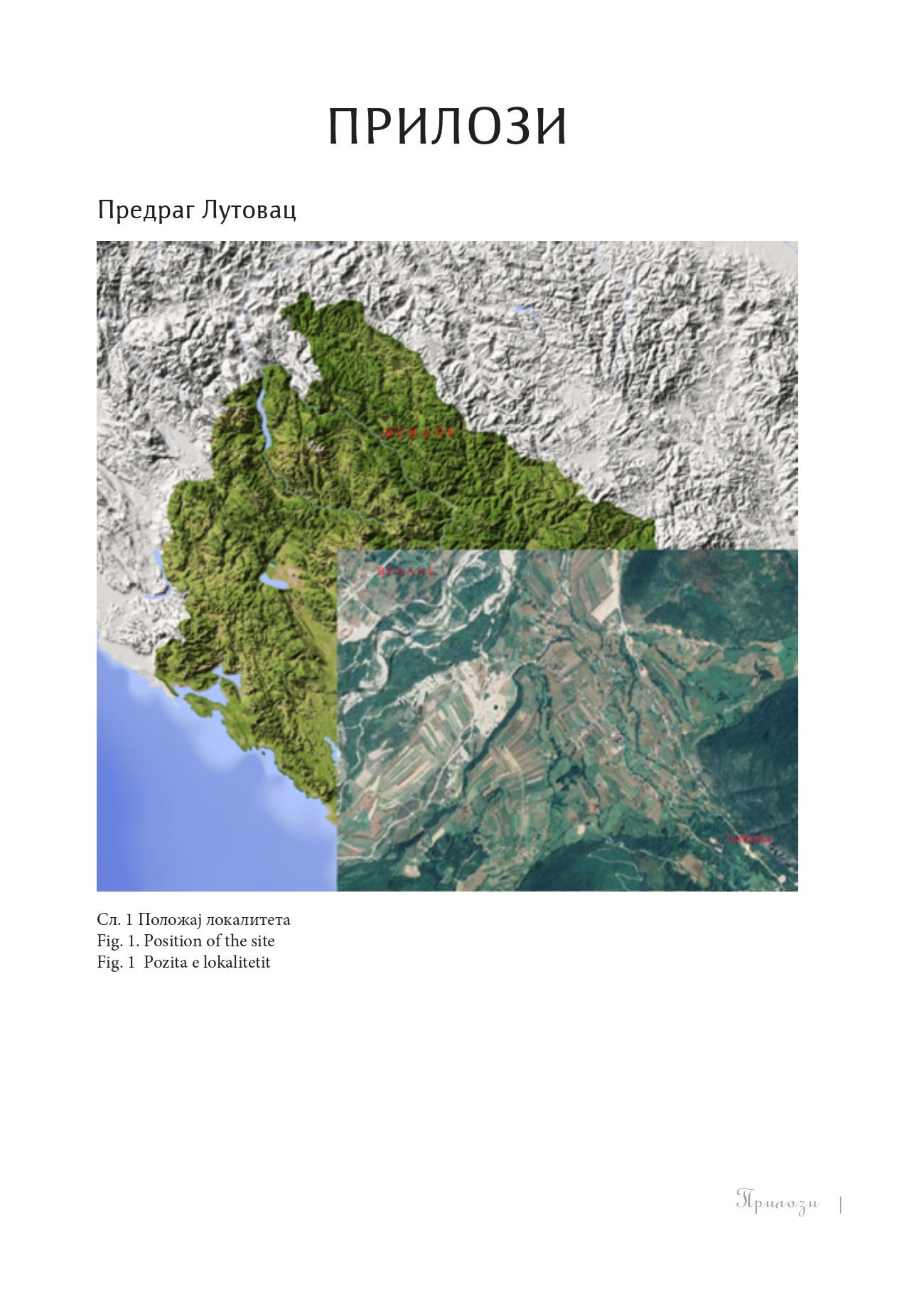
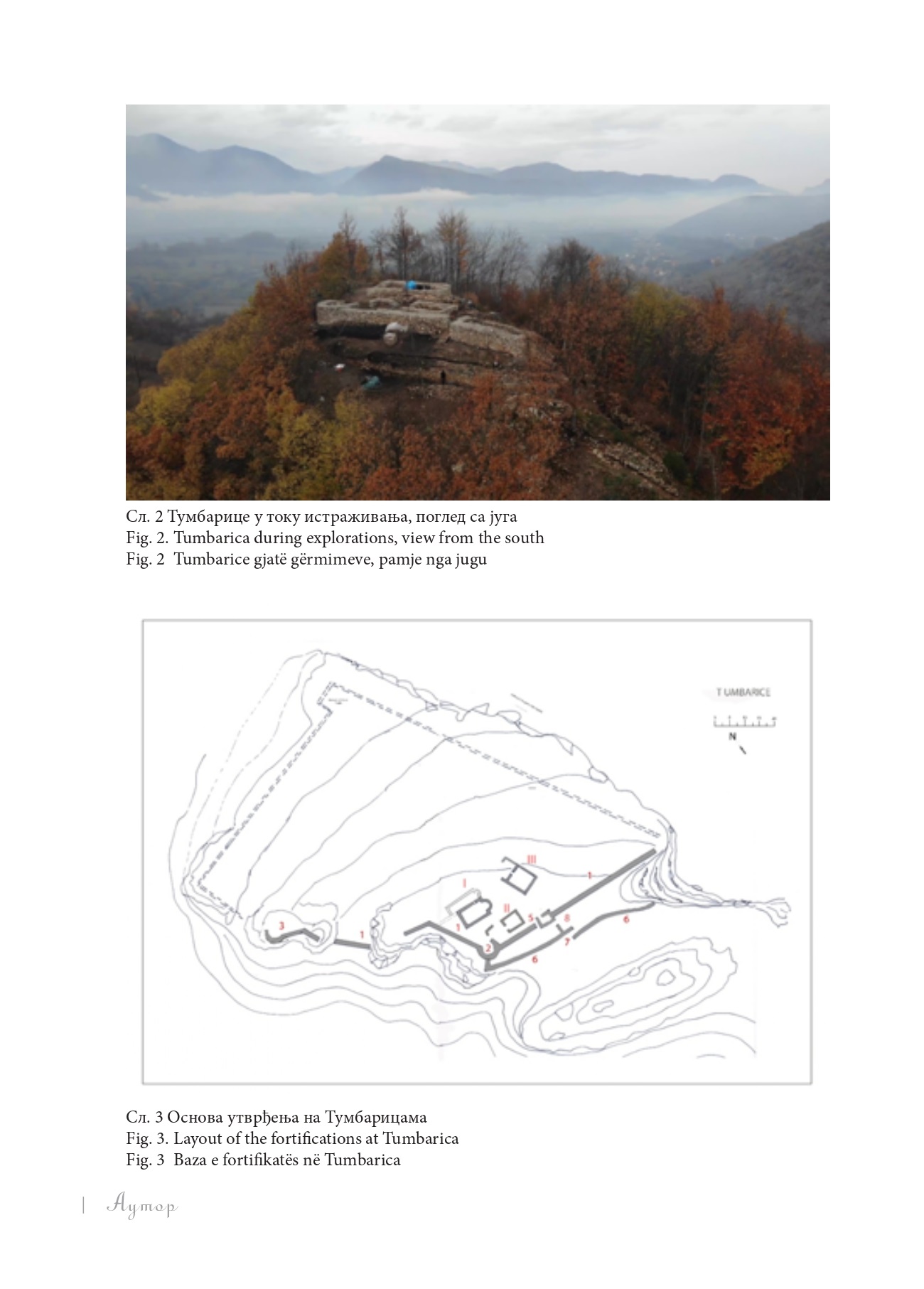
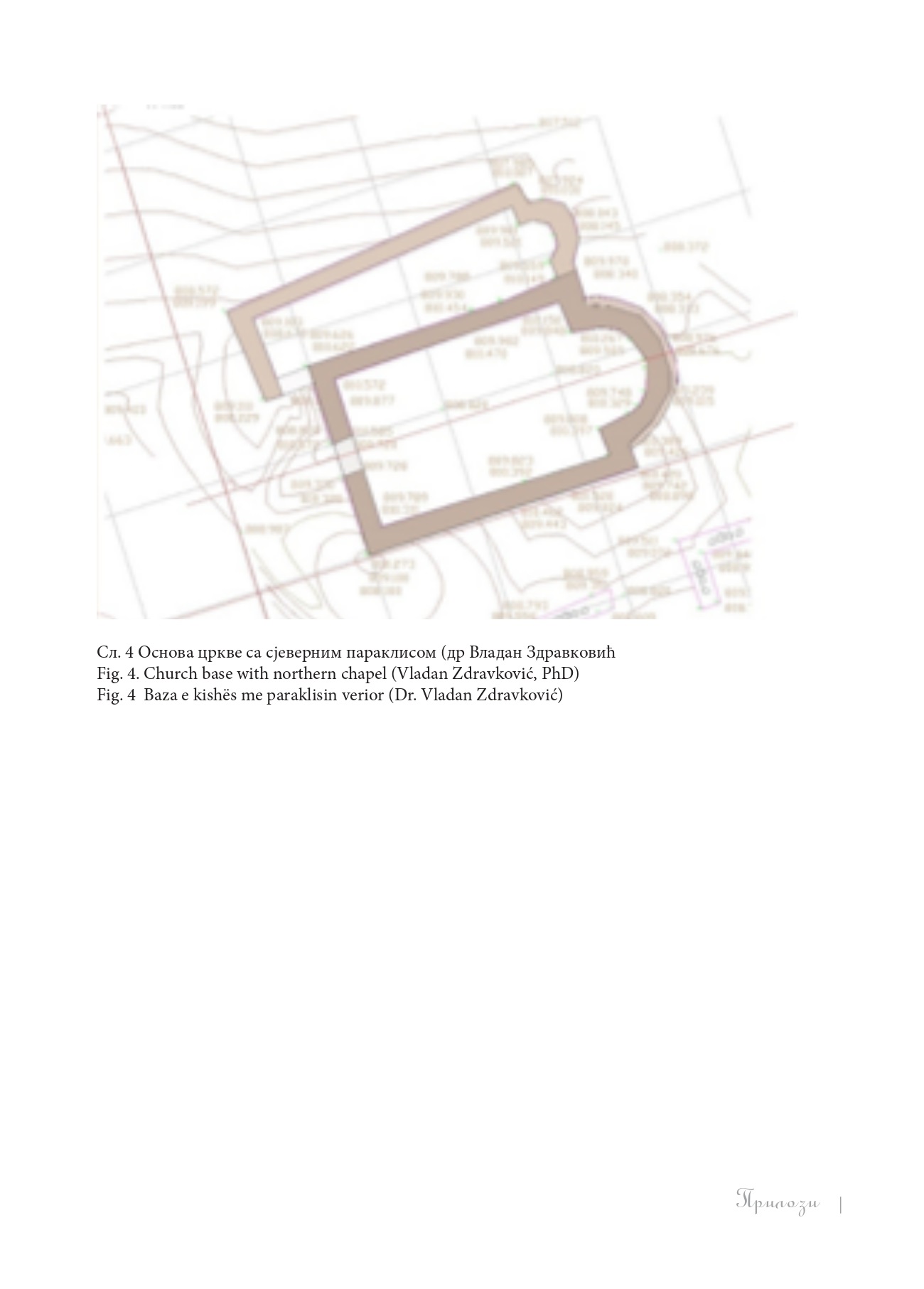
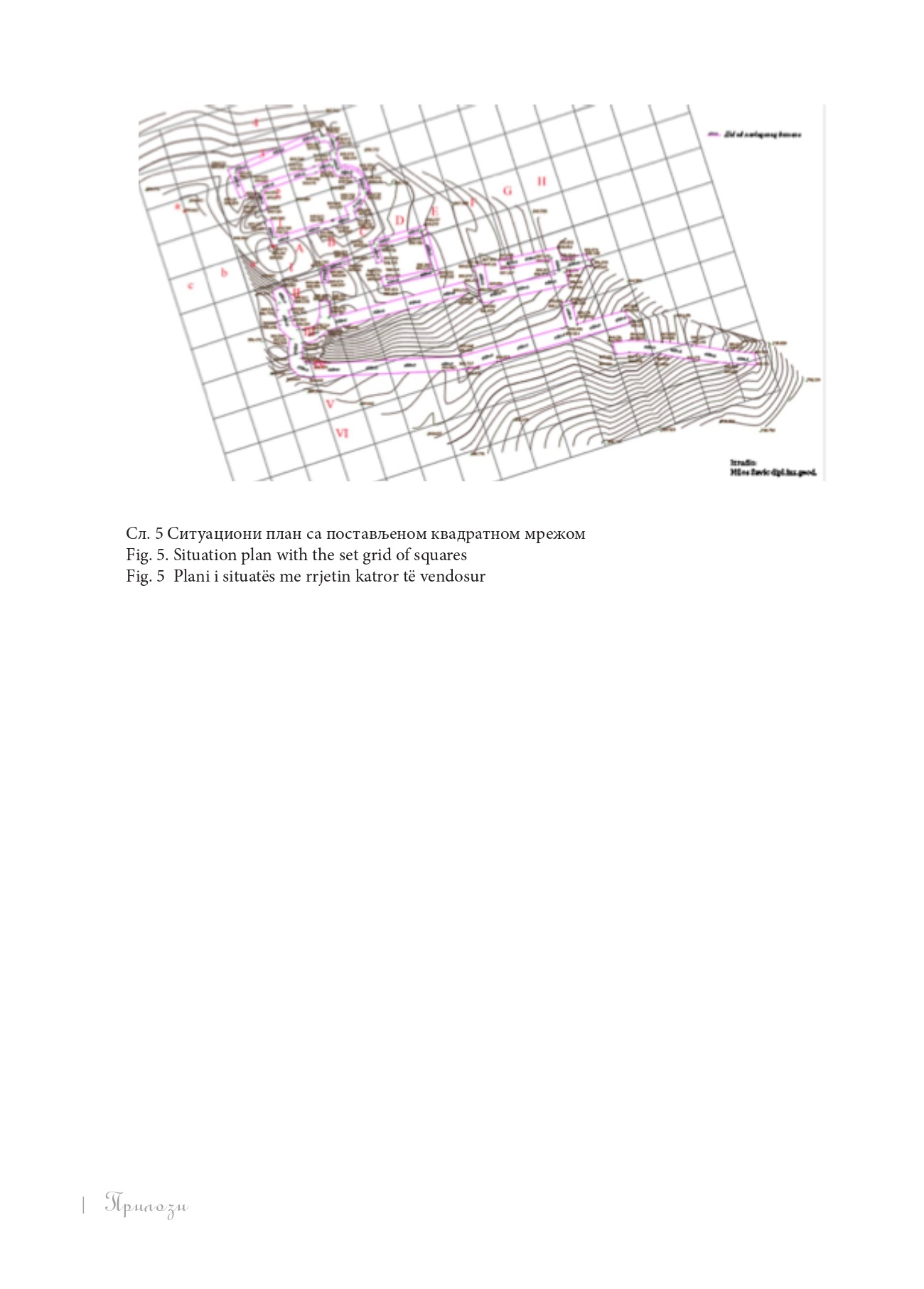
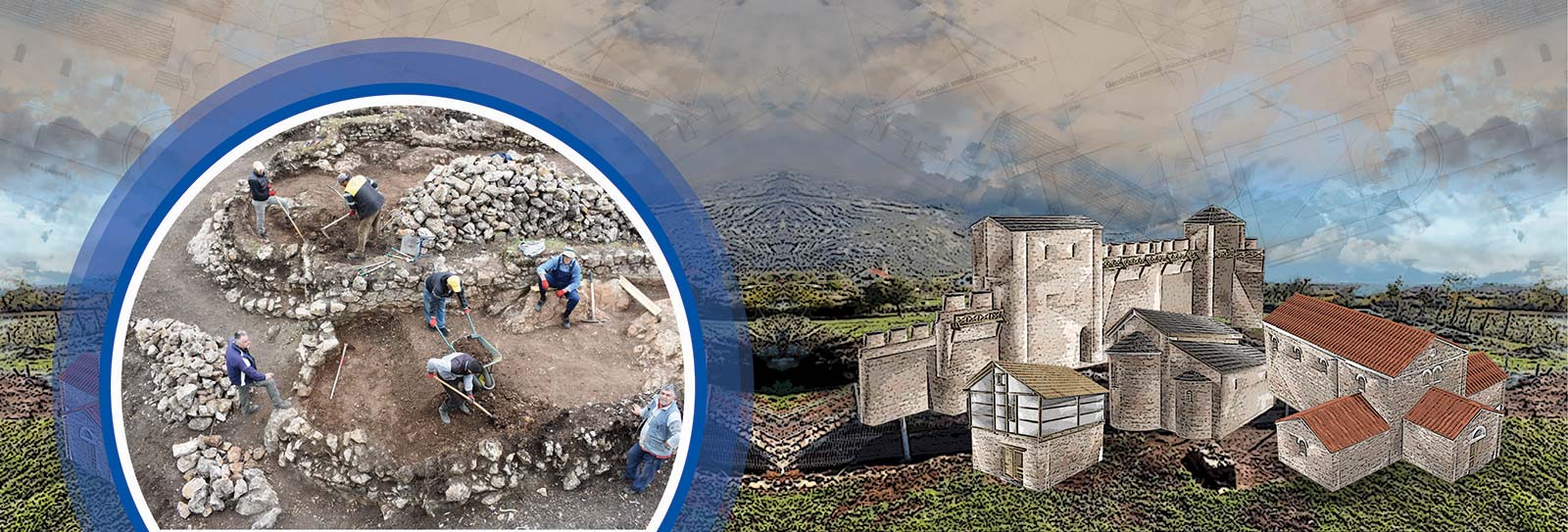
In the framework of cross-border cooperation between Montenegro and Albania (IPA project), the Polimlje Museum in Berane conducted systematic archaeological research on the Tumbarica fortification, located in the village of Donja Ržanica near Berane. Undoubtedly, this is one of the largest fortifications recorded and partially explored in the Montenegrin Polimlje area. It was built at the end of the 2nd or the beginning of the 3rd century AD, conquered, demolished and then rebuilt and extended, lasting until the 7th or the beginning of the 8th century AD. The area of the acropolis and the south-eastern defensive walls with towers and remaining passageways were explored in Tumbarica. The architectural remains of a church and northern chapel (parakklesion) were discovered on the acropolis, made in two construction phases, as well as the architectural remains of a courtyard for priests. Based on stratigraphic layers and a multitude of movable archaeological materials, all the phases of the centuries-long life of this fortification have been clearly distinguished. The research was conducted by setting up a grid of squares each 4 m × 4 m, which enabled the clear recording of stratigraphic layers along the discovered architectural remains, and the separation of movable material according to the determined stratigraphic layers. The method of building the fortification and the multitude of found items for everyday use, jewellery, parts of clothing and weapons are a good basis for a clear chronological determination of the remaining fortifications in Polimlje.
Key words
Document
Tumbarice_Mr_Predrag_Lutovac_EN.pdf
(4.53 MB)
Attachment